








































Good and deep sleep is the key factor on the road to achieving a healthy body and mind. It is a natural state when tissue regeneration and restoration of all vital systems is taking place. However, we often overlook why healthy sleep is so crucial, and what are the potential consequences of sleep deficiency.
- Tissue regeneration and metabolism.
As you sleep, cells grow and regenerate, while hormones and proteins are synthesised to maintain healthy muscles, skin, and bones, helping to strengthen the immune system. A consistent lack of healthy and deep sleep results in impaired glucose metabolism, and the regeneration of cells and substances slows down or stops altogether, increasing the risk of delayed metabolic processes and the development of various infections and diseases. Deteriorating metabolism leads to increased appetite, obesity and even diabetes. Moreover, poor sleep increases the production of stress hormones, which elevate blood pressure and negatively affect the cardiovascular system.
-
Immunity restoration.
Healthy sleep has a positive effect on strengthening the immune system, and it helps regulate inflammatory processes in the body. There is a boost and activation of immune cells, which fight infections and reduce inflammation within the body. Inadequate sleep, especially over long periods of time, negatively affects health and causes physical and psychological problems.
-
Processing and storing information.
Deep sleep also plays an important role in each person's mental health. While sleeping, the information obtained during the day is processed and stored in long-term memory. In addition, neural connections are being strengthened, thus improving cognitive functions such as attention and thinking. Lack of sleep can lead to impaired memory and concentration. The received information will not be processed as intended, and the storage process will be disrupted.


Improving your sleep quality will help eliminate chronic fatigue syndrome and boost your mood, daily performance and overall health:
-
Physical activity improves metabolism and cell regeneration, reduces stress levels and improves overall sleep quality. However, do not exercise shortly before bedtime, otherwise your body will not have enough time to relax.
 Exercise regularly.
 -
Experts advise avoiding the use of gadgets at least one hour before bedtime. Electronic devices prevent the body from fully relaxing, and it constantly remains in a state of excitement.
 Limit the time spent in front of gadget screens.
 -
Going to bed and getting up at the same time, alongside sleep regularity, will help your body adjust to the appropriate rhythm.
 Follow a sleep schedule
 -
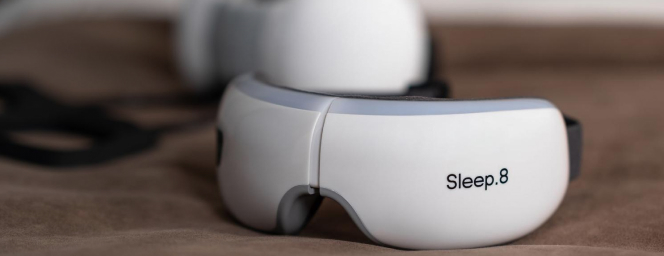
Sleep tracking apps help you monitor activity and sleep stages throughout the night, control your heart rate and even give you personalised advice on how to improve your sleep quality.
 Exploit the possibilities of the 'smart sleep' trend.
 -
Unhealthy habits not only affect physical health but also aggravate insomnia and contribute to restless sleep. Overeating has a similar effect and can lead to more serious problems and digestive disorders, so avoid eating at least a few hours before bedtime.
 Monitor your food consumption and reduce alcohol, caffeine and nicotine intake.
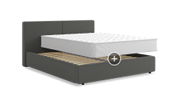
Nevertheless, working on the complex process of sleep quality improvement depends not only on the number of hours spent in bed but also on the lifestyle and even the things that surround us. A healthy sleep and an ideal 'sleep capsule' is not just about choosing the perfect mattress or bed but also about many other little things that create a pleasant environment in the bedroom:
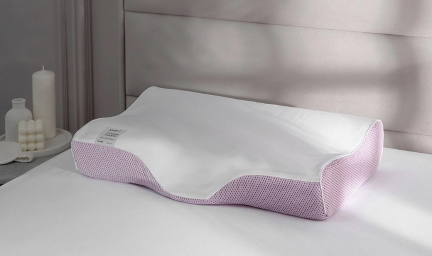
- Bedding: pillow, bed linen, duvet or protective cover should retain a comfortable temperature and be suitable for anatomical and sensory needs.
- The lighting should be moderate and not make you feel uncomfortable. Deep sleep is only possible in a dark room, so choose curtains that do not let in sunlight or moonlight. Also, radiation from any display or TV screen has a negative effect on circadian rhythms.
- The humidity level and odours can be regulated with a small aroma diffuser and a drop of essential oil. The soothing scents of mint or lavender are good for relaxation, but avoid harsh and sugary smells that keep the brain awake.